
From Tracking to Trapped: When Health Apps Fuel Disordered Eating
In a culture that increasingly celebrates optimization, efficiency, and self-improvement, health and fitness apps are often framed as tools of empowerment. They promise insight, accountability, and control. These are qualities that on the surface seem aligned with well-being. For many, these tools can indeed support balanced habits. But for others, particularly those vulnerable to disordered eating, the line between tracking and trapping can become dangerously thin.
At the National Alliance for Eating Disorders, we recognize that eating disorders are complex mental health conditions shaped by biological, psychological, and sociocultural factors. They are not choices, nor are they simply about food. They are serious illnesses that can have profound emotional and physical consequences if left untreated.
As technology becomes more integrated into our daily lives, it is essential to examine how seemingly neutral tools like calorie counters, fitness trackers, and wellness apps can unintentionally reinforce harmful patterns.
Signs and Symptoms of Eating Disorders
Recognizing eating disorders early is vital. Common warning signs may include:
- Preoccupation with food, weight, or body image
- Restrictive eating or ritualized food behaviors
- Episodes of binge eating followed by compensatory behaviors like vomiting and laxative use
- Excessive exercise
- Social withdrawal or avoidance of eating with others
- Mood swings, anxiety, or depression linked to eating behaviors
- Physical symptoms such as dizziness, fatigue, or significant weight changes
If you notice these signs in yourself or someone else, it’s important to seek support from a qualified professional. Eating disorders require compassionate, specialized care.
The Rise of Health Tracking Culture
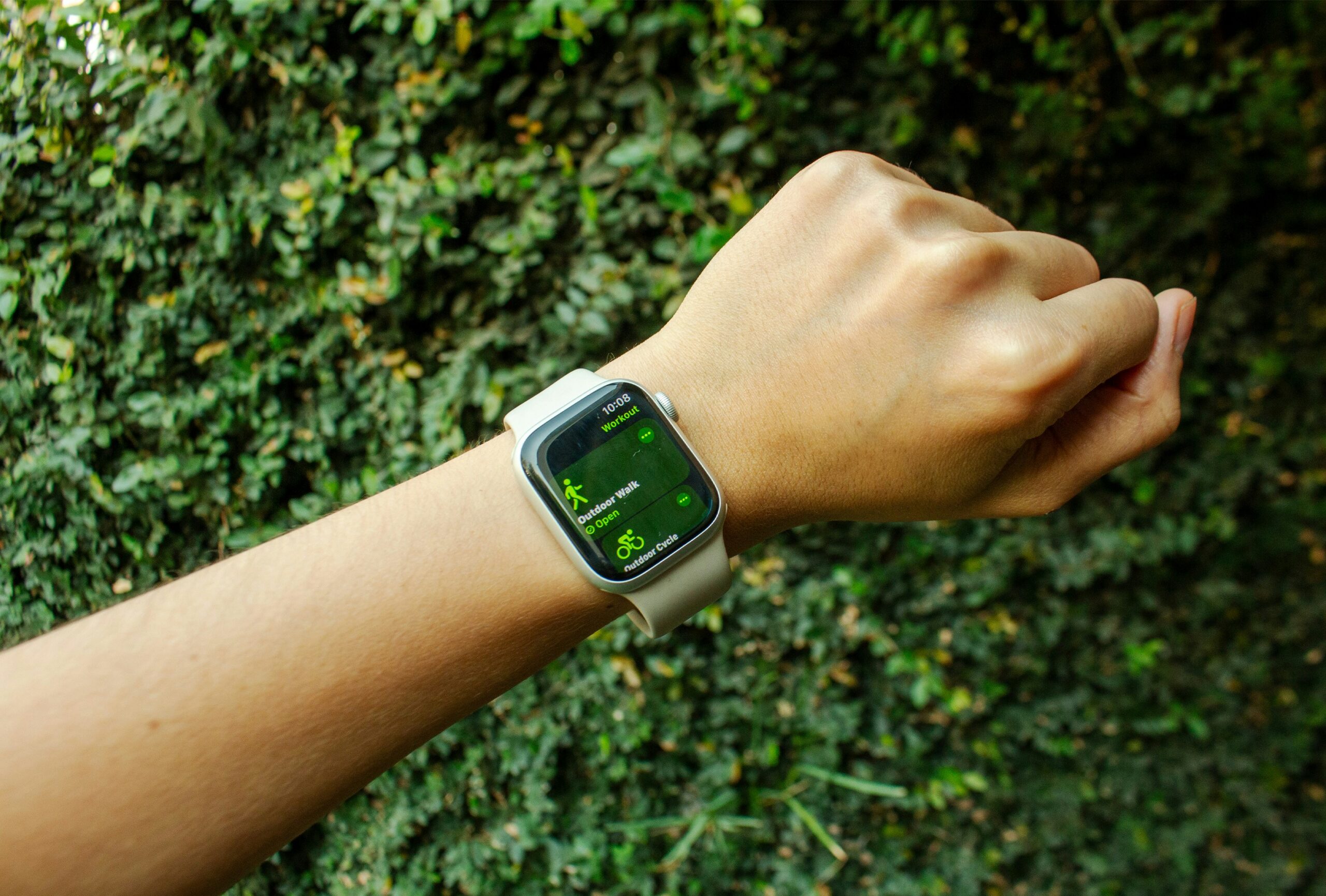
From step counters to macro trackers, today’s digital landscape offers countless ways to quantify the body. Apps encourage users to log meals, monitor calories, measure output, and set increasingly specific goals. For some, this data provides structure and motivation. For others, it becomes a source of anxiety, rigidity, and self-judgment.
At its core, tracking culture promotes the idea that health should be measured numerically. Quantifying calories consumed, calories burned, and steps taken might feel productive but it can trigger behaviors associated with eating disorders. And when well-being is reduced to numbers, it can obscure the deeper emotional and psychological experiences that shape our relationship with food and body.
It is not uncommon for eating disorders to begin with behaviors that appear socially acceptable, or even praised. Dieting, exercising more, or “clean eating” may initially feel like acts of self-care. However, for individuals with underlying vulnerabilities, these behaviors can escalate into something more rigid and consuming.
Research shows that eating disorders often involve significant psychological and physical risks, impacting multiple systems in the body as well as emotional well-being. Health apps can amplify this progression in several ways:
1. Obsessive Tracking and Fixation
What begins as mindful awareness can shift into compulsive monitoring. Logging every bite, weighing food, and checking metrics repeatedly throughout the day can create a heightened preoccupation with food and body. Instead of supporting flexibility, tracking can reinforce rigidity where deviation from a plan feels like failure.
2. External Validation Over Internal Cues
Many apps reward users with streaks, badges, or congratulatory messages for meeting goals. While motivating for some, this external validation can disconnect individuals from their internal cues like hunger, fullness, and satisfaction. Over time, individuals may begin to trust the app more than their own bodies.
3. Inflexible Thinking
Missed goals or exceeding calorie limits can trigger feelings of guilt or shame. This can lead to cycles of restriction, overcompensation, or giving up entirely. These are patterns that may be commonly associated with disordered eating.
4. Reinforcement of Control
While eating disorders are often simplistically described as being about “control,” this framing can be limiting. Still, for many individuals, structured systems, like tracking apps, can create an illusion of safety or predictability in an otherwise overwhelming world. Apps can unintentionally reinforce this dynamic by rewarding increasingly strict adherence.

The Slippery Slope: From Tracking to Trapped
For someone already struggling or at-risk for developing an eating disorder, health apps can act as accelerants. What starts as curiosity or a desire to feel healthier can gradually become all-consuming. Subtle shifts in thinking can become reinforced by apps, leading to internal judgements. A desire to understand one’s habits may shift to anxiety about meeting certain metrics. A skipped day of logging may begin to feel like failure.
These shifts often happen quietly. There is rarely a clear moment when tracking turns into distress. Instead, it is a gradual narrowing of flexibility, a growing sense of urgency, a louder inner critic. And because these behaviors are often normalized, and even encouraged in popular culture, it can be difficult to recognize when something is wrong.
Health apps do not exist in isolation. They are part of a broader cultural landscape that often equates thinness with health, discipline with worth, and control with success. Exposure to idealized body standards and messaging around “fixing” or “optimizing” the body can increase vulnerability to disordered eating patterns. When apps reinforce these ideals through calorie deficits, weight loss goals, or aesthetic transformations, they can deepen feelings of inadequacy and drive harmful behaviors.
Who Is Most at Risk?
It is important to note that not everyone who uses a health app will develop disordered eating. However, certain individuals may be more vulnerable, including:
- Those with a history of dieting or weight cycling
- Individuals with perfectionistic tendencies
- People experiencing anxiety, depression, or trauma
- Adolescents and young adults navigating identity and body image
- Anyone with a personal or family history of eating disorders
Eating disorders affect people of all ages, genders, and backgrounds. Over 30 million Americans will experience a clinically significant eating disorder in their lifetime, underscoring the widespread impact of these conditions.
Reclaiming a Balanced Relationship with Health
The goal is not to villainize technology. Health apps can be useful tools when used mindfully and in appropriate contexts. But they are not neutral and they are not suitable for everyone. If you find that tracking is increasing anxiety, rigidity, or preoccupation, it may be helpful to pause and reflect. Consider asking yourself questions about listening to your own body, sensing freedom or restriction, or supporting your well-being. Shifting away from tracking does not mean abandoning health. Instead, it can open the door to more intuitive, compassionate approaches.
Healing a relationship with food and body often involves reconnecting with internal cues and cultivating flexibility. This might include:
- Eating in response to hunger and fullness
- Allowing all foods without rigid rules
- Engaging in movement for enjoyment, not punishment
- Practicing self-compassion rather than self-criticism
These shifts can feel unfamiliar, especially in a culture that prioritizes control. But over time, they can support a more sustainable and peaceful relationship with food.

When to Seek Support
If you or someone you know is struggling with disordered eating or an unhealthy relationship with health tracking, you are not alone and support is available.
The National Alliance for Eating Disorders offers free resources, referrals, and support to individuals and loved ones navigating eating disorders. Their helpline is staffed by licensed, specialized therapists who can guide you toward appropriate care and recovery options.
Seeking help can feel daunting. It may come with uncertainty, fear, or even resistance. But reaching out is a powerful step toward healing.