
What Happens to Your Body During an Eating Disorder: A Doctor Explains
If you or someone you love is living with an eating disorder, you may already know how much it affects their internal thoughts and emotions. But eating disorders are not just mental health conditions — they are medical illnesses that affect nearly every organ in your body and they can have serious medical complications that may require hospitalization. As a doctor, explaining to patients and families what happens inside the body during an eating disorder, is critical to help patients understand why getting help matters — and why recovery is so important.
Eating disorders are among the most serious of all psychiatric conditions. Anorexia nervosa has one of the highest mortality rates of any mental health disorder. But here is the hopeful part: most of the medical complications described below can improve or fully reverse with proper treatment and nutritional recovery.
Your Heart
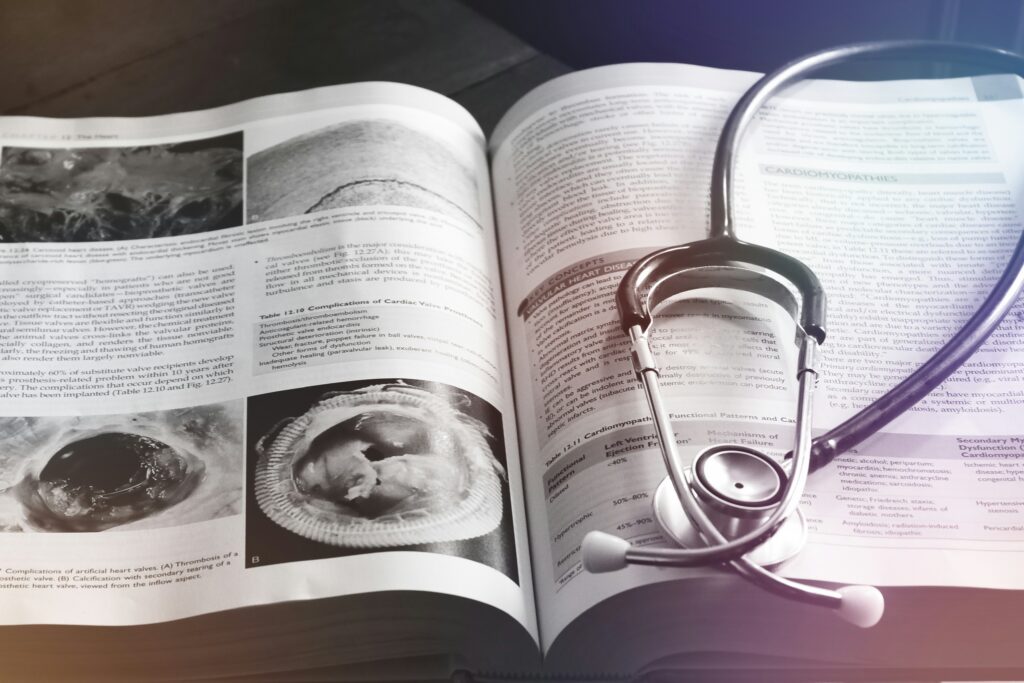
Your heart is a muscle, and like every other muscle in your body, it needs fuel. When your body is deprived of adequate nutrition, your heart begins to weaken and the muscle will shrink which leads to poor output of blood being pumped to the rest of the body. The heart rate can slow dramatically — a condition called bradycardia — and the blood pressure can drop dangerously low, especially upon standing. This can lead to fainting, dizziness, and in severe cases, life-threatening heart rhythm abnormalities. Purging behaviors (such as vomiting or laxative misuse) can cause dangerous shifts in electrolytes like potassium, which the heart depends on to beat regularly.
Your Bones
Up to 85% of people with anorexia nervosa develop low bone density. Starvation disrupts the hormones that build and maintain bone — including estrogen, testosterone, and growth factors — leading to osteoporosis and a significantly higher risk of fractures. For adolescents, this is especially concerning because the teenage years are the critical window for building lifelong bone strength. Unlike many other complications, bone loss may not fully reverse even after recovery, making early treatment essential.

Your Brain
Brain imaging studies in people with eating disorders have shown visible changes, including shrinkage of brain tissue and enlargement of the fluid-filled spaces around the brain. These changes are associated with difficulty concentrating, rigid thinking patterns, and problems with memory. The encouraging news is that many of these brain changes improve with weight restoration — though some cognitive patterns may take longer to resolve.
Your Digestive System
Eating disorders frequently cause uncomfortable gastrointestinal symptoms. Restriction can slow the movement of food through the stomach and intestines, leading to bloating, nausea, fullness after small amounts of food, and constipation. These symptoms can feel like they confirm the eating disorder’s “logic” that eating is uncomfortable — but they are actually caused by the disorder itself and typically improve as regular eating is restored. Purging through vomiting can damage the esophagus, sometimes causing tears and bleeding.
Your Hormones and Reproductive System
Eating disorders disrupt the hormonal signals between your brain and the rest of your body. In females, this commonly leads to the loss of menstrual periods (amenorrhea) — occurring in roughly 78% of women with anorexia nervosa — and can affect fertility. In males, testosterone levels drop, which can lead to decreased libido and muscle loss. The thyroid gland slows down in an attempt to conserve energy, and stress hormones like cortisol become elevated. Blood sugar can drop to dangerously low levels.
Your Blood
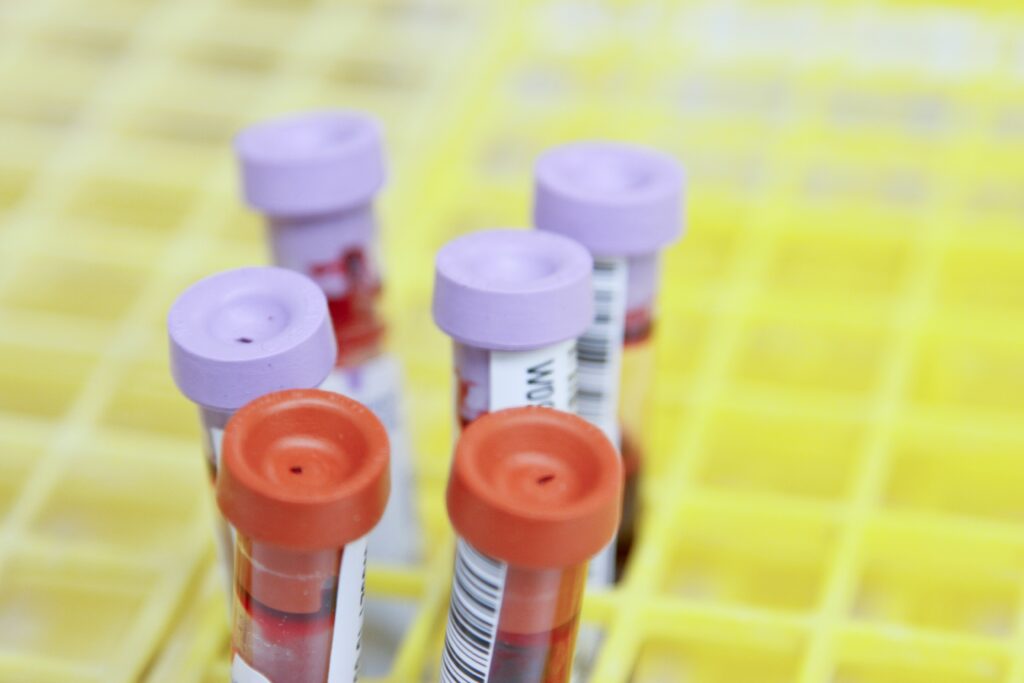
The bone marrow — where blood cells are made — becomes less active during starvation. This can lead to anemia (low red blood cells, causing fatigue), leukopenia (low white blood cells, weakening the immune system), and sometimes low platelet counts, which affect the body’s ability to stop bleeding.
Your Kidneys
Chronic dehydration from restriction, vomiting, or laxative misuse puts significant strain on the kidneys. Over time, this can lead to kidney stones and a decline in kidney function. In one long-term study, over 5% of patients with anorexia nervosa developed end-stage kidney disease after 21 years.
Your Skin, Hair, and Teeth
The body’s attempt to conserve heat during starvation can cause the growth of fine, downy hair called lanugo. Hair on the head may thin and become brittle. Skin often becomes dry and flaky. For those who purge through vomiting, repeated exposure to stomach acid erodes tooth enamel, leading to cavities.

A Word About Refeeding: Why Medical Supervision Matters
When someone who has been severely malnourished begins eating again, the body undergoes a major metabolic shift. This process, if not carefully managed, can cause a condition called refeeding syndrome — a potentially dangerous drop in phosphorus, potassium, and magnesium levels that can affect the heart, lungs, and muscles. This is why recovery from a severe eating disorder should always be medically supervised. With proper monitoring and gradual increases in nutrition, refeeding syndrome is manageable and rarely severe.
The Most Important Thing to Know
Eating disorders are serious, but they are treatable. Most of the medical complications described above — the heart changes, the blood abnormalities, the digestive symptoms, the hormonal disruption, and even many of the brain changes — can improve and often fully resolve with proper nutrition and sustained recovery. The body has a remarkable capacity to heal when given the chance.
If you are struggling, please reach out. You deserve medical care that treats the whole person — body and mind.
Center for Discovery eating disorder programs employ an evidence-based, trauma-informed, weight inclusive treatment approach to address the complex psychological, neurobiological, and medical complications of eating disorders. Center for Discovery offers in person and virtual programming at the residential, partial hospital, and intensive outpatient programming levels of care in 11 states across the country. We are in network with all major insurances. For more information about Center for Discovery, please visit: centerfordiscovery.com.