
Wellness influences are everywhere. These days, just pick up your phone for a minute, and you’ll face a barrage of food and fitness advice. Every other post is a lecture on what, when, and how to eat. Filtered faces on the screen swear you can trust them as they tease you with before-and-after pictures. And they have a strong audience! Almost half of social media users follow influencers who make food content, and over one-third follow wellness and fitness influencers.
But an expansive reach and large audience don’t reflect credibility. In reality, many “wellness” influencers are just making content to get clicks, without regard for their viewers’ real lives and experiences. For many people – especially those with already difficult relationships with food or their bodies – this kind of messaging can take hold in powerful ways, sometimes fueling disordered eating patterns or reinforcing existing eating disorder behaviors.
The Evolution of the “Wellness” Influencer: Where Did They Come From?
In many ways, online wellness influencers are just the latest strategy that diet culture has used to maintain systems of power. Diet culture is a value system that idolizes weight loss. It’s been around for centuries, first fueled by early Christianity’s idea that restricting food made one more “pure” and closer to God. Over the years, diet culture has morphed into a tool to oppress people of color, subjugate women, and uphold rigid beauty standards that equate thinness with worth, health, and moral virtue. In the last few decades, it’s found its voice in magazine articles, online blogs, and, more recently, social media pages.
These days, wellness influencers are a significant part of the feed. Over 70% of social media users say that they see content about weight loss, diets, and nutrition at least monthly.
The Role of Corporate Greed
Notably, none (or hopefully very few) of the diet bloggers or wellness influencers are trying to cause harm. In many cases, they believe what they are preaching; there’s just another variable in play: money. For influencers, clicks equal cash. Many “wellness” influencers are modern-day snake oil salesmen. The algorithm rewards their sensationalist stances and black-and-white statements with more views. High engagement then attracts companies that profit from diet culture, who sponsor influencers – either openly or behind the scenes – to convert their audiences into customers.
And the scale of this influence is massive: the U.S. wellness industry is valued at $2.1 trillion. That’s a lot of money invested in keeping people feeling like they are never quite “well enough.” When engagement and income depend on perpetuating problems rather than solving them, even well-intentioned influencers can end up reinforcing the very systems that harm their audiences.

When “Wellness” Advice Turns Harmful
So what does this actually look like in practice? How does this system of profit-driven wellness messaging show up in the content people consume every day?
At first glance, wellness content can seem helpful, even inspiring. But beneath the polished videos and confident advice, this content exists in an unregulated space. What looks like harmless guidance can quickly become something else entirely, reinforcing rigid rules, unrealistic expectations, and, in some cases, disordered eating behaviors.
Unregulated Advice
For starters, social media influencers are not subject to fact-checking in any meaningful way. Anyone can position themselves as an expert on a given topic regardless of their actual training. Titles like “health coach” or “nutritionist” can be initial red flags – these labels don’t often come with the same education, oversight, or licensure that therapists or dietitians hold. As a result, audiences may assume credibility where none exists, meaning harmful advice can spread widely with little accountability.
Trend-Driven Content Over Individualized Care
As we pointed out, influencers may prioritize quantity over quality. Many will jump on wellness trends like specific workout regimes or macronutrient counting, in hopes that the algorithm will favor their content. Because trends are designed for virality, they tend to oversimplify complex topics like metabolism, hunger, and health. What is sold as a universal solution for health rarely considers the reality that nutritional and physical needs vary widely between individuals.
Curated Realities and Social Comparison
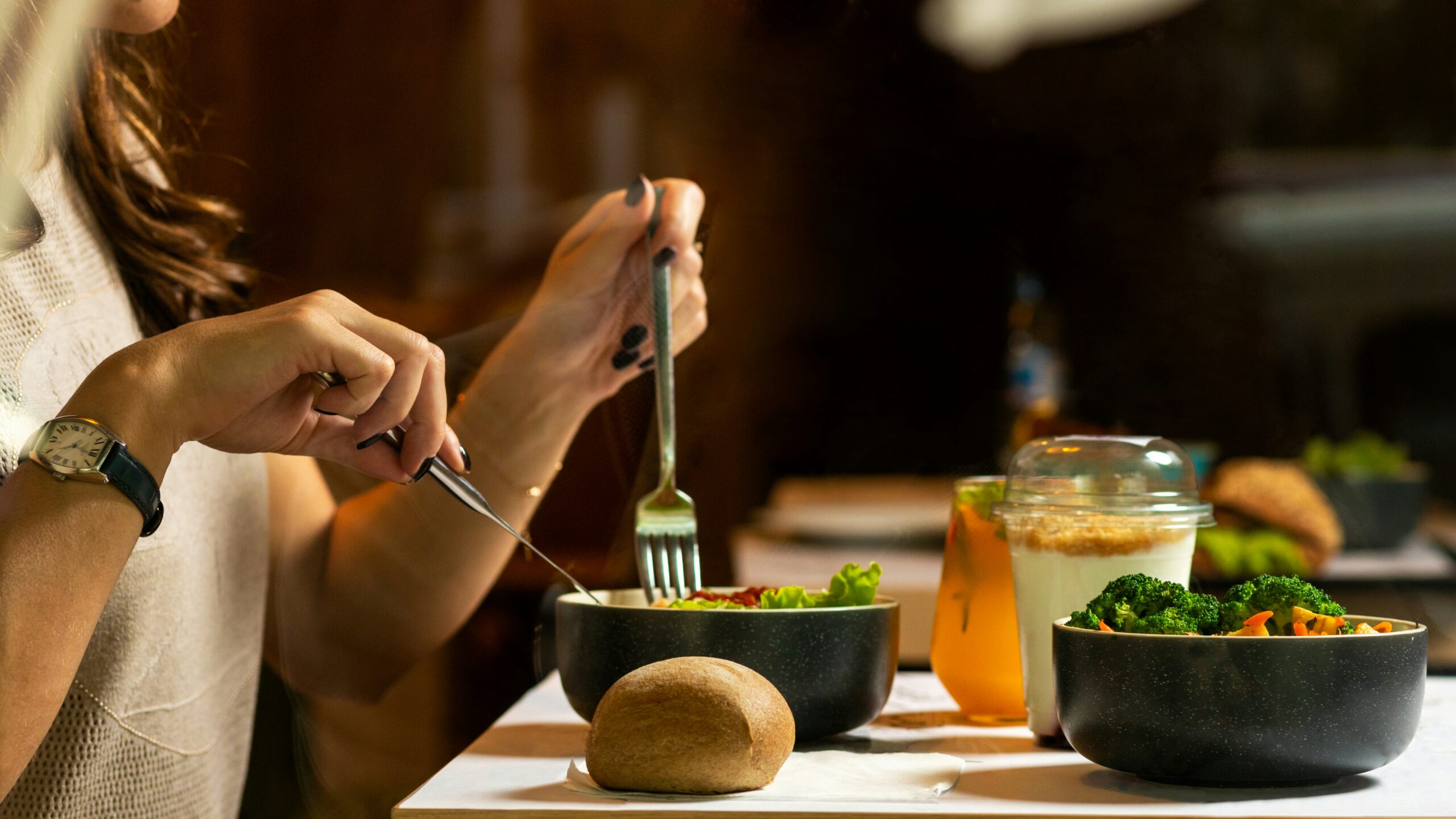
“Wellness” influencers’ content prioritizes trends and views over science, but the falsities go even deeper. The curated versions of their shared lives likely don’t tell the whole story. From the meals they eat to what they look like, it can be easy to forget we’re seeing highly edited versions of reality. For example, “What I eat in a day” videos are a popular format that showcase carefully prepared meals. Often these meals glorify calorie deficits and small portion sizes, and, at the end of the day, they might not even be truly what the creator eats.
Viewers, however, are left to connect the dots, often comparing their own habits and appearance to what they see in their feeds. This comparison can lead to self-doubt, guilt, or the belief that one’s own eating patterns or body are “wrong” or inadequate.
The Slippery Slope from “Healthy” to Harmful
When the comparisons start, that’s a sign that content is taking the sharp turn from “healthy” to harmful. Diet culture always starts by teetering on this balance: drawing people in with advice that has merit – like the importance of movement or eating a balanced diet – but then taking it to extremes. “Wellness” influencers are skilled at disguising diet culture under trendy terms like “lifestyle hacks” and “clean eating.” This reframing can make disordered eating behaviors more difficult to identify because they are positioned as “self-care.”
But what often starts as a well-intentioned effort to “be healthier” may spiral into rigid and restrictive behaviors. Influencers often encourage tracking food and increasing exercise fastidiously. Platforms then amplify this content through trends such as “SkinnyTok,” which glorifies thinness. In doing so, they normalize increasingly restrictive behaviors and reward the very patterns that can lead to disordered eating.
How This Environment Increases Eating Disorder Risk
This isn’t just a cultural concern – it’s one backed by growing research. Studies consistently show that exposure to social media, particularly content focused on food, fitness, and appearance, is linked to increased body dissatisfaction and eating disorder rates.
More specifically, following nutrition and “health” influencers has been associated with higher levels of eating disorder symptoms compared to other types of content. And it’s not just passive viewing. Nearly half of users report changing their diet based on something they saw online. These effects are especially concerning for adolescents and young people, who tend to spend more time on social media and are at a critical stage of development.
Constant exposure to idealized bodies, rigid food rules, and comparison-driven content can normalize behaviors like restriction, obsession, and compulsive exercise. What looks like “wellness” can quietly reinforce the very patterns that put people at risk.

We Don’t Have to Be Influenced: Choose a Different Path
It doesn’t have to be this way. While diet culture and “wellness” messaging may feel inescapable, it is possible to build a world where health is not defined by restriction or body size. By questioning these narratives, we can create space for more compassionate relationships with food and our bodies.
For those living with an eating disorder or supporting someone who is, you don’t need to struggle alone. The Alliance is here to support you on your journey. Through therapist-led support groups and a therapist-staffed helpline, we help individuals and families connect with trusted resources and care. If you or a loved one is struggling, reaching out can be a powerful first step. Contact us at +1 (866) 662-1235.