
Why “Protein Maxxing” and Gym Culture Are Blurring the Line Into Disordered Eating
Food and fitness fads evolve quickly and intentionally. Often these fads are only loosely backed by nutrition science. Instead, they rely on people’s hopes and fears about their own health to spread like wildfire. “Protein maxxing” and gym culture are two more recent examples of how wellness trends can have a potentially harmful underbelly. At the surface level, these practices – eating protein and working out – seem like they are objectively “good.” But when you look more closely, they encourage behaviors, like a hyperfixation on diet and routine or a demonization of certain food groups, that can be risk factors for developing an eating disorder.
Questioning “Bro Science”
The initial spread of the “protein maxxing” trend and gym culture in general can be attributed to what is colloquially called “bro science:” taking the experiential anecdotes of bodybuilders as universal fact. It’s a pretty simple chain of events. A bodybuilder shares a habit that they insist is the key to their muscle mass or lean physique. Then the general public takes it as gospel. Often, “bro science” is rooted in some level of truth, but taken to extremes, it can do more harm than good. “Protein maxxing” is the perfect example of this. Before we dive into it, it’s worth remembering that no matter how many times a fitness claim is repeated on social media, it doesn’t become a fact.
What Is Protein Maxxing?
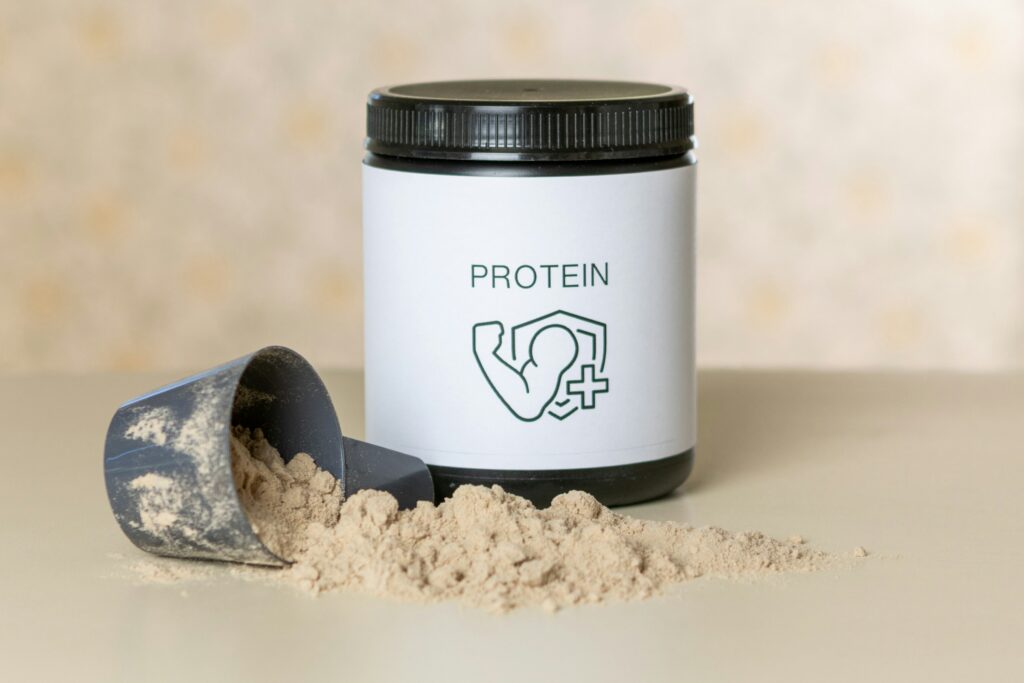
“Protein maxxing” is when someone tries to consume a very high amount of protein because they believe it will help them control their muscle mass and body shape. Protein is one of three macronutrients that we all need to survive. A molecule of protein is made up of amino acids. When we digest protein, our bodies break it down into these amino acids that power an array of critical bodily functions. For example, amino acids are used to help repair damaged tissue, build hormones, and support immune responses. Our bodies can make some amino acids on their own, but there are nine amino acids that we can only get from the protein that we eat. Needless to say, protein is very important!
“Protein maxxing” takes this importance and pushes it to the extreme, with some proponents encouraging people to eat at least one gram of protein per pound of body weight each day. That’s significantly more than what is recommended for the average adult. More protein doesn’t equate to more muscles. Once your body has enough protein to meet its needs, consuming additional protein provides diminishing benefits.
What Gets Lost?
The bigger concern is what can get pushed aside when protein becomes the priority. Filling up on protein-rich foods may leave less room for the other two macronutrients our bodies need: carbohydrates and fats. Both have historically been treated as something to minimize or avoid in many fitness and diet spaces, but they serve essential functions. Carbohydrates are one of our bodies’ primary sources of energy and are especially important for fueling physical activity. Fats also provide energy while playing important roles in vitamin absorption, hormone production, and other bodily functions. Maximizing one nutrient at the expense of the others sacrifices the balance that our bodies require.
“Protein Maxxing” and Gym Culture: Promoting Dangerous Habits
The concerns around “protein maxxing” go beyond whether someone is getting enough carbohydrates or fats. “Protein maxxing” exists within a larger gym culture that encourages people to closely monitor their food, exercise, and bodies in the name of achieving a particular physique. This level of tracking can be a risk factor for developing an eating disorder. Introducing quantifiable measurements into diet can create ripe ground for obsessive behaviors and negative self-talk that can also show up in eating disorders.
Additionally, gym culture is often fraught with comparison and competition. These social pressures can be dangerous for someone who may be susceptible to developing an eating disorder. Combined with “good” and “bad” nutrient labels and the practice of tracking protein intake, these pressures can build up. Missing a protein goal can make someone feel guilty. Going out to eat may become stressful. Taking a rest day may cause anxiety. Feelings like these could be signs of a disordered relationship to food and exercise.
These behaviors are particularly concerning because they overlap with common warning signs of disordered eating: rigid food rules, preoccupation with food and body image, compulsive exercise, guilt around eating, and avoiding social situations involving food. Yet within certain fitness spaces, the same behaviors can be celebrated as discipline.
When Disordered Eating Hides Behind Muscle-Building
Of course, “protein maxxing” and other fitness trends can affect people of all genders, ages, and body types. But it is worth taking a closer look at how these behaviors can show up in men, who have historically been underdiagnosed when it comes to eating disorders.
For some men, body image concerns may center more heavily on becoming leaner and more muscular. Restrictive eating, rigid tracking, or compulsive exercise can then be framed as part of the “bulking” and “cutting” phases of body building.
Gym culture can provide camouflage for this kind of disordered eating. Someone struggling may appear, from the outside, to be committed to their health. That can make it harder to recognize that something may be wrong. Eating disorders do not have a gender, body type, or particular “look,” but they do all deserve treatment and care.
Finding Support Beyond the Rules
Working through rigid food and exercise rules can be difficult, especially when those same behaviors are constantly reinforced by social media or the people around you. You don’t have to navigate that process alone. Eating disorder support groups can offer a space to connect with others who understand these experiences. At The Alliance, we offer free, therapist-led support groups for individuals experiencing eating disorders, as well as groups for loved ones. You can also contact The Alliance’s therapist-staffed helpline to find support and treatment resources. Call us at +1 (866) 662-1235.